










The Hair Growth Cycle and How to Disrupt Hair Loss

We often notice hair on our brush, in the shower, or on our pillow, and wonder: Is this normal… or am I losing too much?
To answer that, it helps to understand the hair growth cycle. Every strand on your head has a life story: it grows, rests, sheds, and then renews. Hair loss occurs when more strands are lost than are replaced, or when the growth cycle is disrupted.
The good news? With the right care and ingredients, you can support a healthier scalp, stronger hair, and help keep unnecessary hair loss at bay.
The Lifespan of Hair: Understanding the Hair Growth Cycle and Loss
Each hair follicle goes through four main phases, all at different times, which is why you’re not “shedding” everything at once.
1. Anagen: The Growth Phase
This is the longest phase, lasting anywhere from two to seven years. During anagen, your hair actively grows from the follicle, nourished by the blood supply and nutrients from the scalp. Most of the hair on your head is in this stage, which is why supporting scalp health is so crucial for length and density.
2. Catagen: The Transition Phase
Catagen is a short “wind-down” phase, usually lasting a few weeks. Hair growth stops, and the follicle begins to shrink. Think of it as the moment when the strand prepares to detach from its deeper root support and move toward the surface. This is a natural, necessary transition, not a sign of damage.
3. Telogen: The Resting Phase
In telogen, the hair strand rests while a new hair quietly begins forming beneath it. Around 10–15% of your hair is in this phase at any given time. This is when you may notice some shedding, but within normal limits. The follicle is essentially pausing before starting a new growth cycle.
4. Exogen: The Shedding Phase
Exogen is when the old hair finally releases and falls out, often during brushing or washing. It’s normal to lose around 50–100 hairs a day—these are mostly exogen hairs making way for new growth. Hair loss becomes a concern when the number of strands shedding increases significantly or new growth appears weaker and thinner.

Is This Level of Hair Loss Normal?
If shedding feels sudden, persistent, or is accompanied by scalp discomfort, it may be a sign that your hair growth cycle is being disrupted by stress, hormonal changes, diet, scalp imbalance, or harsh hair care habits.
Noticing hair in the drain or on your comb doesn’t automatically mean something is wrong. It becomes worrying when:
-
You see much more hair than usual when washing or styling.
-
You find strands on your pillow every morning in larger amounts.
-
Your ponytail feels noticeably thinner.
-
You notice widening parts, visible scalp areas, or patchy thinning.
At this point, it’s wise to care for your scalp as thoughtfully as you do your skin. Gentle, targeted anti-hair loss products can help create a better environment for hair to grow stronger.
For persistent or severe hair loss, consulting a dermatologist is always recommended.
How to Prevent Hair Loss
You can’t control every factor behind hair loss, but you can influence the environment your hair grows in. Start with these practical steps.
Choose Scalp-Friendly, Nature-Inspired Ingredients
Ingredients in beauty products can make or break hair resilience. Look for formulas that respect the scalp and support the hair fiber. Ingredients such as essential oils (like rosemary, thyme, and cedar), plant-based proteins, vitamins, and gentle exfoliating actives help keep the scalp balanced and follicles comfortable.
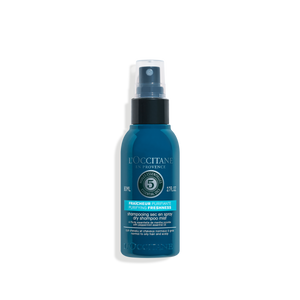
L’Occitane hair care ranges are crafted with these kinds of botanicals in mind—from refreshing blends that purify the scalp to restorative formulas that strengthen lengths and ends.
Avoid Harsh, Stripping Formulas
Ingredients that have an effect on hair loss, such as drying alcohols and harsh surfactants, can weaken the scalp barrier and make hair more fragile. Instead, choose gentle shampoos and conditioners that cleanse without stripping. Products designed to support repair, volume, or scalp balance can help reduce breakage and maintain fuller-looking hair over time.
Be Kind to Your Hair Styling Rituals
Frequent heat styling, very tight hairstyles, and rough brushing can contribute to mechanical hair loss. Whenever possible:
-
Lower the heat setting on your tools.
-
Use heat protectant products.
-
Avoid tight ponytails or buns that pull at the root.
-
Detangle gently from ends to roots.
Treat your hair as you would a delicate fabric; firm enough to style but never harsh.

Support Hair from Within
Hair is also influenced by diet, stress, and rest. Aim for a balanced intake of protein, healthy fats, vitamins, and minerals, and stay hydrated. Managing stress and getting enough sleep helps maintain a healthier internal environment, which in turn supports the hair growth cycle.
Let Your Hair Thrive, One Cycle at a Time
Is your hair loss normal? Understanding the hair growth cycle is the first step to making peace with everyday shedding and knowing when something is alarming. While some hair fall is completely normal, caring for your scalp, choosing gentle products, and treating your hair with kindness can help keep excess hair loss at bay.
For hair that looks fuller, feels stronger, and shines with natural vitality, choose care that respects both your scalp and your strands. Explore L’Occitane’s hair care collections and discover rituals that help your hair grow beautifully, cycle after cycle.